
Some New Zealand patients can wait years longer for access to publicly funded new medicines than patients in comparable OECD countries.
For people living with serious conditions such as cancer, rare diseases and autoimmune disorders, those delays can mean treatments available overseas are simply not yet options here.
That gap has long been accepted as the price of New Zealand’s tightly controlled medicines budget. But recent signals from Government suggest the way the system engages with the pharmaceutical industry, and how those trade-offs are managed, may be starting to change.
A shift in tone
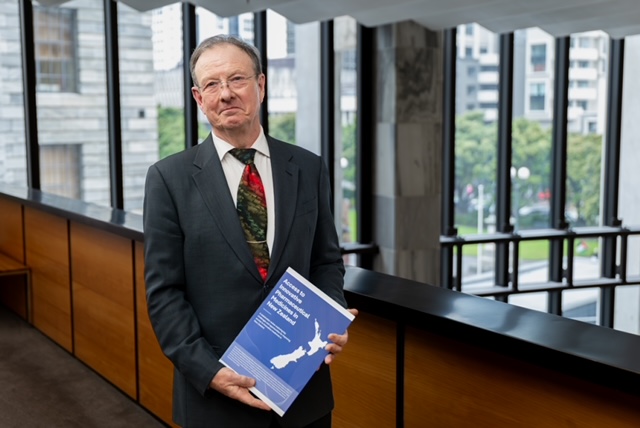
At the parliamentary launch of the report Access to Innovative Pharmaceutical Medicines in New Zealandhttps://www.bms.com/nz/media/access_to_innovative_pharmaceutical_medicines_in_nz.html, Associate Health Minister David Seymour suggested New Zealand may be entering a new phase in medicines policy, one in which the relationship between government agencies and the pharmaceutical industry becomes less adversarial and more collaborative.
If that shift is sustained, it could mark one of the most significant changes in New Zealand’s medicines policy settings in decades.
A system designed for control
For much of the past three decades, New Zealand’s medicines funding model, centred on PHARMAC, has deliberately maintained distance between decision-makers and the companies that develop new therapies.
That approach has delivered clear benefits. New Zealand has maintained comparatively low pharmaceutical expenditure while ensuring access to a core range of funded medicines. PHARMAC’s independence and negotiating strength have been central to that success.
But it has also contributed, at times, to a relationship that industry participants, clinicians and patient groups have described as adversarial.
Why this matters for patients
For patients, this is not an abstract policy issue.
For people living with serious conditions, delays in access can affect quality of life, clinical outcomes and the ability to participate fully in work and family life. They can also place additional pressure on the wider health system.
International comparisons consistently suggest that the time between regulatory approval and public funding in New Zealand can be significantly longer than in countries such as Australia or the United Kingdom.
What could change
The report launched at Parliament https://www.nzherald.co.nz/nz/nz-significantly-behind-other-oecd-countries-in-new-medicine-access-report-reveals-david-seymour-agrees-with-most-findings/ZQO2K5V7QRDLXKG5ILZCC7WZ5I/examined these issues through consultation with patient organisations and clinicians, alongside a review of international evidence.
It identified five areas where improvements could strengthen New Zealand’s medicines access framework:
- Recognising medicines as long-term investments in health outcomes
- Improving transparency and engagement with patients and clinicians
- Modernising assessment and funding processes
- Embedding equity considerations in decision-making
- Recognising the broader social and economic benefits of timely treatment
These recommendations do not call for abandoning PHARMAC’s core principles. Fiscal discipline and evidence-based decision-making remain essential.
But they do point to opportunities to refine how the system operates, particularly in how it engages with stakeholders.
A different kind of conversation
At the parliamentary launch, patient organisations, clinicians, policymakers and industry representatives were present in the same room discussing these issues.
That kind of cross-sector conversation would have been difficult to imagine even a relatively short time ago.
Policy change rarely happens overnight. It tends to emerge through gradual shifts in tone, relationships and institutional practice.
Conclusion
A meaningful shift
If New Zealand is moving toward a more collaborative model, one that preserves fiscal discipline while engaging more openly with patients, clinicians and industry, it has the potential to deliver a system that is both sustainable and more responsive to medical innovation.
For New Zealanders waiting for access to new treatments, that shift would not just be procedural.
It would be consequential.
Peter Boyes is a strategic communications adviser and author of the report Access to Innovative Pharmaceutical Medicines in New Zealand.
Leave a Reply